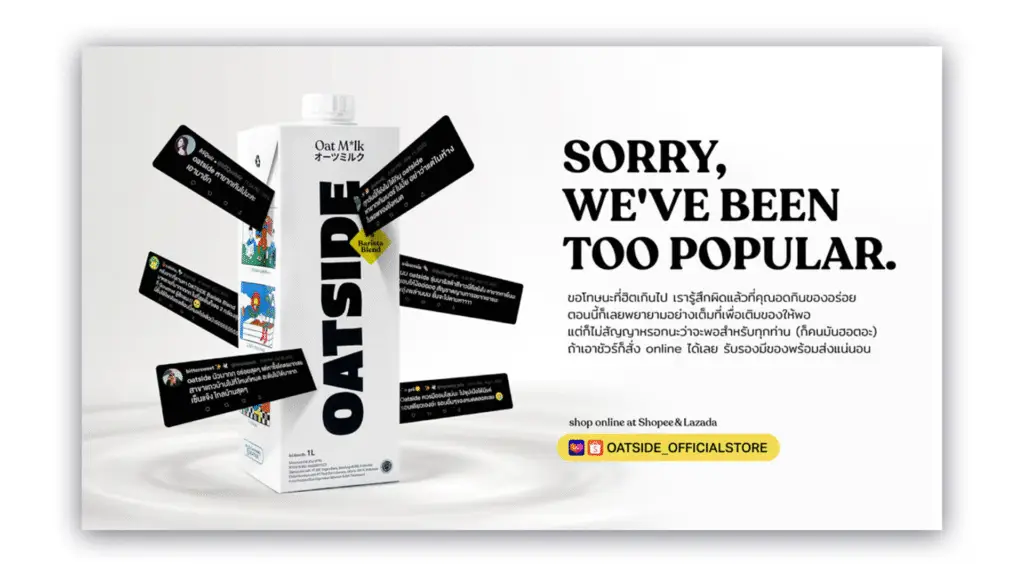
In today’s fast-paced consumer world, even success can spark unexpected chaos. Many brands now face a new kind of crisis; not because of failure, but because of overwhelming demand. This shift has given rise to a fresh wave of “Apology ”Ads” creative campaigns where brands apologise, not for mistakes, but for being too popular to keep up. These ads turn shortages, delivery delays, or system crashes into opportunities for humour, humility, and connection.
In this era of hyper-demand and real-time feedback, brands that say “we’re sorry” aren’t admitting defeat; they’re showcasing success. These apology ads remind consumers that behind every temporary chaos lies a brand striving to meet their love, loyalty, and ever-growing demand.
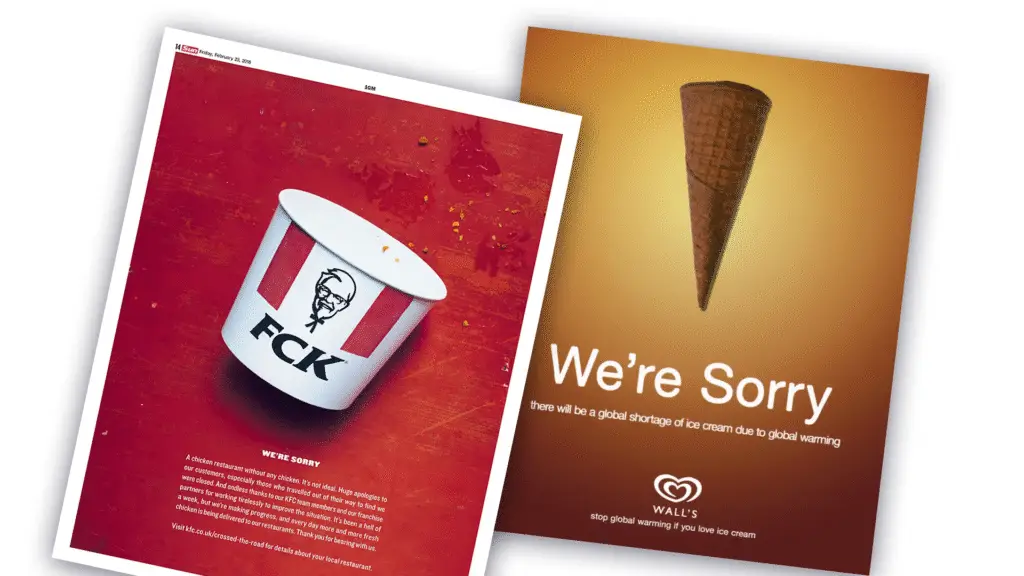
A defining example remains KFC’s “FCK” campaign from 2018. When a supply chain issue left hundreds of UK outlets without chicken, customers expressed outrage. Yet the witty “FCK” ad turned that chaos into charm. Rather than offering excuses, KFC demonstrated self-deprecating humour and transparency, a brilliant move that transformed an embarrassing situation into a moment of brand love.
But today’s “Apology Ads” take a different route. They’re less about corporate crisis management and more about managing popularity pressure. When brands face surging demand that exceeds supply, apologies become a form of storytelling. For example, Zomato and Swiggy often release humorous notifications like, “Sorry, too many biryanis at once; your order’s on the way!” These playful messages acknowledge service slowdowns while reinforcing their brand’s personality and responsiveness.
Similarly, IndiGo Airlines and Amazon India occasionally issue apology posts or customer messages when booking systems crash during festive offers or sales events. The tone is light-hearted yet genuine, conveying that the brand’s success temporarily outpaced its infrastructure. Rather than losing credibility, these admissions often win admiration for their honesty and relatability.
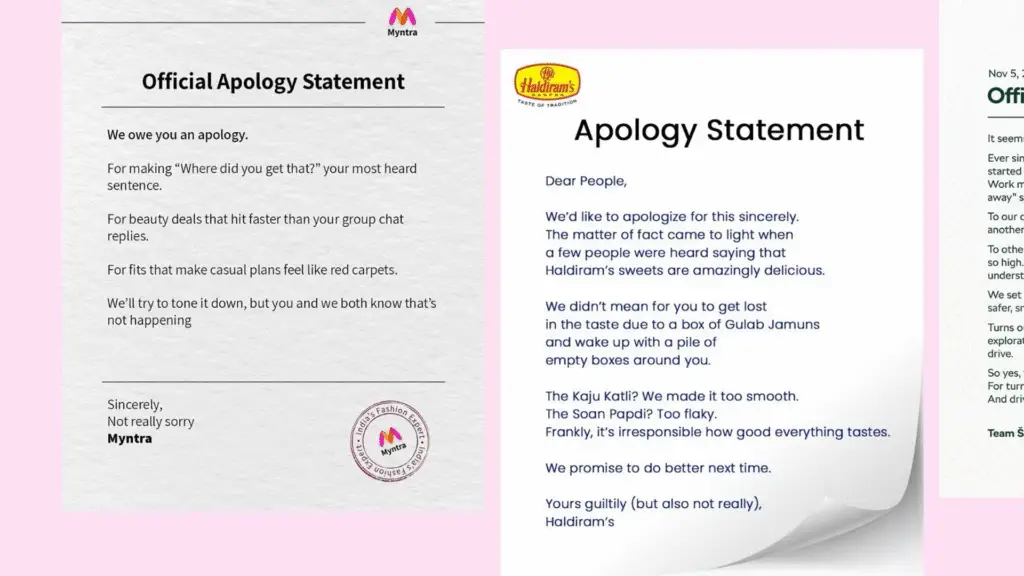
Globally, even fashion and tech giants have tapped into this communication style. When Adidas or Apple run out of stock within hours of a new launch, their follow-up ads often double as apologies and celebrations, subtly signalling that their products are in irresistible demand. Such campaigns create exclusivity through scarcity while maintaining goodwill.
The essence of these modern apology ads lies in how they reshape chaos into conversation. They transform inconvenience into proof of desirability, converting customer frustration into empathy and excitement. When done well, they make the company more relatable and turn logistical problems into viral moments of honesty.
Why Brands Are Using “Apology” or “Sorry” Ads
- To Humanise the Brand: Admitting delays or shortages shows that the brand values honesty and emotional connection over perfection.
- To Reinforce Popularity: A shortage caused by high demand is a subtle way to communicate success and desirability.
- To Maintain Customer Trust: Transparent communication helps retain customers’ patience and respect during service disruptions.
- To Create Relatable Engagement: A witty or heartfelt apology turns frustration into conversation, increasing social media traction.
- To Demonstrate Accountability: Owning up to challenges, even positive ones, builds long-term credibility.
- To Convert Chaos into Creativity: Transforming logistical chaos into a creative apology can boost brand recall and positive publicity.
In today’s era of hyper-demand, instant reactions, and real-time feedback, the Best Digital Marketing Strategist in Malappuram recognizes that when brands say “we’re sorry,” they are not accepting failure but demonstrating accountability and strategic maturity. Well-crafted apology ads reflect a brand’s commitment to its audience, showing that behind every temporary disruption is a team working relentlessly to respect consumer trust, strengthen loyalty, and meet ever-evolving expectations in a competitive digital landscape.