
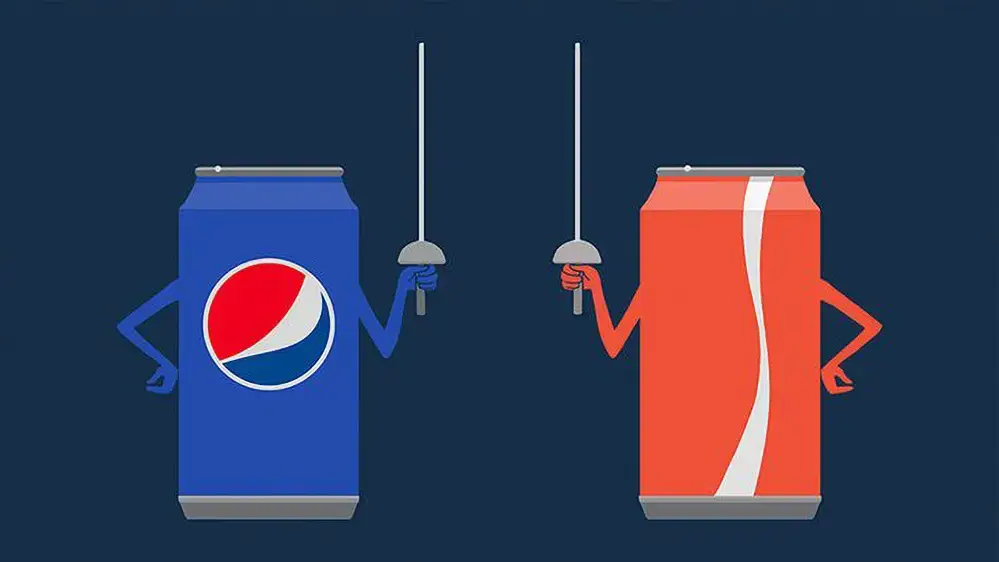
In the vibrant and ever-evolving Indian market, brand wars have become a defining feature of modern marketing. From soft drinks to telecom and automobiles, fierce rivalries have pushed companies to outthink, outspend, and outshine each other, often leading to some of the most memorable campaigns in Indian advertising history. These battles aren’t just about selling products; they’re about capturing mindshare, emotion, and loyalty in one of the most diverse consumer bases in the world.
The Cola War: Pepsi vs Coca-Cola
Perhaps the most iconic brand rivalry in India, the Cola War has been raging since the early 1990s when Coca-Cola re-entered India after a 16-year absence. Pepsi, which had already established a strong foothold, used youthful energy and celebrity endorsements to dominate early on. Campaigns like “Yeh Dil Maange More” and “Nothing Official About It” became part of pop culture, tapping into the rebellious spirit of the ’90s Indian youth.
Coca-Cola, however, countered with its emotional storytelling, positioning itself as a family-friendly and traditional brand through campaigns like “Thanda Matlab Coca-Cola” starring Aamir Khan. The two brands didn’t just compete for market share; they shaped consumer behaviour and advertising creativity in India. The Cola War taught Indian marketers that emotion and aspiration could be as powerful as taste.
Burger Battle: McDonald’s vs Burger King
When Burger King entered India in 2014, McDonald’s already enjoyed massive visibility as the go-to quick-service restaurant. But Burger King, known globally for its cheeky campaigns, came armed with digital wit. Their “Whopper Detour”-style online stunts and comparison ads positioned the Whopper as the bolder, more authentic choice.
McDonald’s responded subtly by leaning on its nostalgia and mass-friendly pricing. The real winner here? Consumers, who got better options, better deals, and entertaining ad wars that spiced up India’s fast-food scene.
Telecom Tussle: Jio vs Airtel
The 2016 entry of Reliance Jio completely disrupted the telecom market. Offering free data and calls, Jio forced long-established players like Airtel and Vodafone to rethink their pricing and network strategies overnight. Airtel responded with premium positioning, emphasising superior service and brand trust, while Vodafone leaned on its emotional ZooZoo campaigns to retain affection.
This wasn’t just a marketing war; it was a transformation of an entire industry. Today, India’s data revolution owes much to this high-stakes corporate rivalry, where innovation and aggressive pricing changed how Indians connect.
Auto Arena: Tata Motors vs Mahindra
In the SUV segment, Tata Motors and Mahindra have been locked in a constant tug-of-war for dominance. Tata’s Harrier and Safari campaigns focus on design and technology, while Mahindra’s Thar and XUV700 ride on rugged adventure and national pride. Their rivalry extends beyond sales; it’s about defining what “Indian strength” looks like on the road.
The competition has pushed both brands to invest heavily in safety, quality, and innovation, elevating the standards of the Indian auto market.
Conclusion: Competition Breeds Creativity
One thing has been repeatedly demonstrated by brand battles in India: competition fosters creativity. These rivalries, which range from clever billboard jokes to social media battles, do more than just provide entertainment; they also foster innovation, hone brand identities, and keep the customer at the core of everything.
In a dynamic market like India, brand wars drive evolution, not destruction, where storytelling wins. This is the mindset of the best digital marketing strategist in Malappuram, helping brands connect deeper and grow smarter.